


Forensic crime scene technology is being used to trawl the freshwater streams of eastern Australia for the elusive platypus, which despite centuries of study holds secrets that still remain a mystery to modern science.
Already struggling for survival due to habitat loss, pollution, feral predators and water extraction, platypuses were pushed further towards the brink by the devastating 2019/20 bushfires that scorched their habitat and spewed river-clogging ash into their streams.
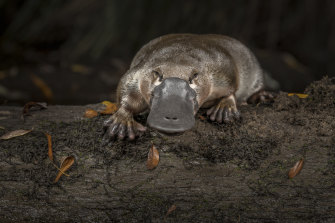
The shy platypus lives in burrows, feeds when it’s dark and dives into the water at the sight of people.Credit:Doug Gimesy
Scientists desperately need to know exactly where platypus are in the wild to save the best habitat and boost populations.
But finding the shy, largely nocturnal creature in all the myriad waterways where it could potentially live has proved impossible. Until now.
Loading
Cutting-edge DNA technology can identify microscopic traces of animals in water samples taken from the wild. Technological advances since its inception six years ago have seen costs plummet, opening opportunities for scientists like Josh Griffiths, senior wildlife ecologist at research company Cesar Australia, who is spearheading a research partnership to track platypuses in NSW and Victoria.
“Platypus are just incredibly difficult to see and to study in the wild,” he said. “We know generally the kind of areas that they are, but only on a large scale.”
Animals “shed” DNA through their faeces, skin and hair as they move through the environment, which is particularly handy when flowing water can tell scientists kilometres downstream that platypus are present somewhere along a creek line.
“It’s similar to what a detective would do at a crime scene, but we’re doing the same thing in the wildlife space,” Mr Griffiths. “It’s completely revolutionised the way that we can collect data on this species and do it at a scale that we’ve never been able to do before. And that’s what’s needed for these wide-ranging species.”